

Top Car Care Mistakes That Harm Paint and Shine
A car’s paintwork is more than a protective layer—it defines the vehicle’s appearance, resale value, and personal style. Unfortunately, many car owners unintentionally damage their vehicle’s paint through common maintenance errors or poor habits. From improper washing techniques to neglecting environmental hazards, these mistakes can dull the finish, cause scratches, or lead to long-term degradation. Protecting a car’s paint requires awareness and proper care, as even minor oversights accumulate over time, reducing the vehicle’s aesthetic appeal. By understanding the most frequent errors, drivers can take proactive steps to maintain a pristine finish and preserve shine. This article highlights critical car care mistakes that harm paintwork and offers guidance on avoiding them.
Using Dirty or Improper Wash Tools
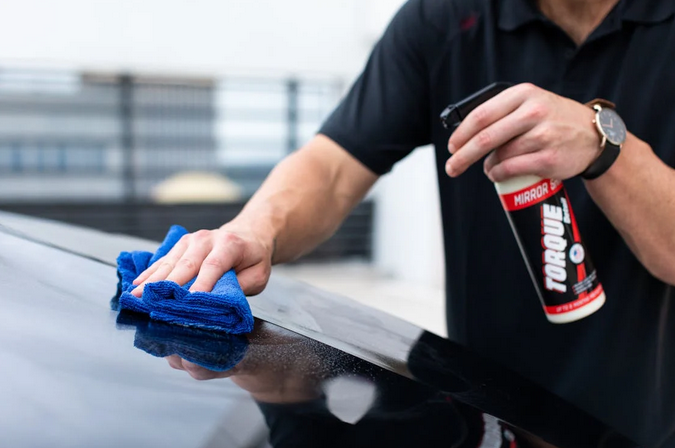
One of the most frequent ways car paint gets damaged is through improper washing techniques. Using dirty sponges, brushes, or towels can leave scratches and swirl marks on the surface. Even small particles trapped in a cleaning cloth act like sandpaper on the paint. Car owners often wash with household rags or abrasive sponges that remove dirt poorly, but harm the finish. Opting for soft microfiber cloths and using separate buckets for soap and rinse water prevents accidental scratches. Gentle, controlled movements during washing, combined with appropriate tools, significantly reduce the risk of damaging your vehicle’s exterior. This foundational step preserves both shine and protective coatings.
Neglecting Wax and Protective Coatings
Many vehicle owners skip waxing or applying protective coatings, not realizing their role in shielding paint from sun exposure, acid rain, bird droppings, and road debris. Waxing provides a thin barrier that reflects UV rays and reduces oxidation, keeping paint vibrant over time. Protective sealants and ceramic coatings further enhance resistance to chemical stains and minor abrasions. Regular application, depending on product type, strengthens the car’s exterior against environmental hazards. Failing to apply these layers accelerates fading, dullness, and minor surface damage, reducing the vehicle’s overall visual appeal. Incorporating protective treatments into routine care maximizes both longevity and aesthetic performance.
Parking in Unsafe Locations

Environmental exposure is a silent but powerful contributor to paint damage. Parking under trees, near industrial areas, or in open spaces without shade exposes paint to sap, bird droppings, pollutants, and harsh sunlight. Many drivers underestimate the cumulative impact of these factors. Sap and droppings can etch into the clear coat if not removed promptly, while prolonged sun exposure leads to fading and oxidation. Choosing covered or shaded parking, using car covers, or quickly cleaning contaminants reduces paint degradation. Awareness of surroundings and timely intervention preserves both the finish and visual brilliance of your car.
Using Automatic Car Washes Improperly
Automatic car washes are convenient but can be surprisingly harsh on paint surfaces. Brushes and cleaning mechanisms often carry residual grit from previous vehicles, leaving scratches or swirl marks. Even touchless washes can sometimes rely on strong chemicals that strip protective wax layers. Owners who rely exclusively on frequent automated washes risk long-term dulling of the paint. If using car washes, select brushless or soft-cloth options and pair with protective coatings afterward. Alternatively, hand-washing with proper techniques minimizes potential damage while maintaining optimal shine.
Ignoring Prompt Cleaning of Contaminants
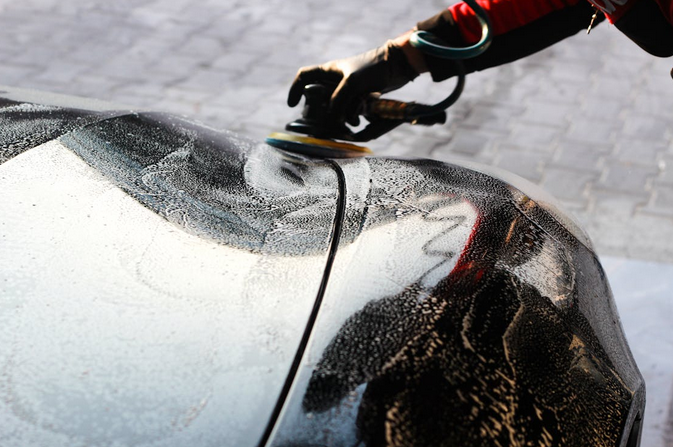
Many car owners delay cleaning after exposure to contaminants such as mud, road salt, or bird droppings. These substances contain chemicals and minerals that can quickly etch into paint or accelerate corrosion. The longer they remain on the surface, the deeper the damage becomes, and even professional polishing may not fully restore the original finish. Regular inspections and immediate removal of contaminants with appropriate cleaning solutions prevent surface etching and preserve aesthetic integrity. Consistency in prompt cleaning is essential for maintaining long-term paint quality and visual appeal.
Protecting a car’s paintwork requires both attention and proactive care. Avoiding mistakes such as improper washing, neglecting wax and coatings, parking in hazardous locations, relying solely on automatic car washes, and delaying cleaning of contaminants can significantly reduce damage and preserve the vehicle’s shine. Consistent maintenance, careful handling, and awareness of environmental risks help prolong the life of the paint and maintain aesthetic appeal. By adopting these practices, car owners can enjoy a visually striking vehicle, prevent costly repairs, and maintain both style and value over time.