

Buying a Used Car in 2026? Avoid These New-Age Scams
Shopping for a used car in 2026 feels a lot different from how it did just a few years ago. While online marketplaces, digital financing, and AI-powered listings have made the process more convenient, they’ve also opened the door to a new wave of sophisticated scams. Today’s fraudsters aren’t just rolling back odometers—they’re manipulating vehicle history reports, cloning VINs, and even using deepfake IDs to pose as legitimate sellers. If you’re in the market for a pre-owned vehicle, staying informed is your best defense. Let’s break down the newest tricks scammers are using—and how you can steer clear of them.
Fake Vehicle History Reports and Warranty Upsells
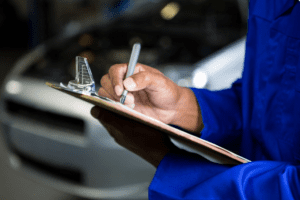 One of the most common scams in 2026 involves fake or manipulated vehicle history reports. Sellers may send you a polished-looking report from a website that mimics trusted providers, but the information is incomplete or entirely fabricated. These fake reports often conveniently leave out major accidents, flood damage, or salvage titles. Scammers sometimes pair this tactic with pressure to purchase add-ons or service plans that don’t exist. While legitimate protection plans and even the best auto extended warranties can provide real peace of mind, fraudulent sellers may bundle in worthless “coverage” to inflate the price. Always verify the vehicle’s history through well-known, reputable platforms and confirm any warranty is backed by a recognized provider before committing.
VIN Cloning Schemes Are Getting Smarter
VIN cloning isn’t new, but the technology behind it has become more advanced. Criminals now copy the Vehicle Identification Number from a legally registered car—often one that’s the same make, model, and color—and place it on a stolen vehicle. On the surface, everything appears legitimate because the VIN checks out in basic databases. The real trouble starts when you attempt to register the car or if law enforcement discovers the duplicate VIN. Suddenly, you’re dealing with a vehicle seizure and a massive financial loss. To protect yourself, compare the VIN on the dashboard, driver-side door jamb, and official documents. Any mismatch, scratching, or tampering should be a major red flag.
Curbstoning Through Online Marketplaces

Curbstoning—when unlicensed dealers pose as private sellers—has evolved with online platforms. Instead of meeting at a dealership lot, these sellers use social media and car listing apps to offload multiple vehicles under different names. The cars may have hidden mechanical issues, flood damage, or rebuilt titles that aren’t clearly disclosed. A quick way to spot curbstoners is to check the seller’s profile. Multiple listings, recently created accounts, or vague answers about the vehicle’s history are warning signs. It’s also wise to ask to see the title in the seller’s name. If they claim they’re selling the car for a “friend” or relative, proceed cautiously.
Deepfake Seller Identities
In 2026, artificial intelligence has made it easier than ever for scammers to create convincing fake identities. Some fraudsters now use AI-generated profile photos, forged driver’s licenses, and even deepfake video calls to pose as legitimate private sellers or dealership representatives. These scams often unfold entirely online. The seller insists on digital payments, claims to be relocating, or says the car will be shipped after payment clears. If a deal seems unusually convenient or the seller refuses to meet in person at a verifiable location, take a step back. Always verify the seller’s identity and avoid wiring money or using non-traceable payment methods.
Tampered EV Battery Data
With electric vehicles becoming more common in the used market, scammers have found new ways to manipulate battery health data. Some sellers reset battery management systems or use temporary software tweaks to make battery capacity appear higher than it really is. Since battery replacement can cost thousands of dollars, this type of deception can be especially expensive. Always request a full battery health report from a certified technician and consider having the vehicle inspected by a specialist familiar with EV systems. A general inspection may not reveal software-level manipulation.
Digital Payment and Escrow Fraud
 Many buyers now rely on digital escrow services to complete transactions safely. Unfortunately, scammers have created fake escrow websites that look nearly identical to legitimate ones. After you send funds, the site disappears—and so does the seller. Before using any escrow service, verify the company’s website and contact information independently. Avoid clicking links sent directly by the seller. Instead, search for the company yourself and confirm that it’s reputable and established.
Buying a used car in 2026 doesn’t have to feel risky, but it does require a sharper eye than ever before. From VIN cloning and deepfake identities to fake warranty offers and manipulated EV data, today’s scams are more sophisticated and more convincing. By verifying documents, meeting sellers in person, using reputable services, and trusting your instincts, you can confidently navigate the modern used car market—and drive away with a deal that’s truly worth it.…

Top Car Care Mistakes That Harm Paint and Shine
A car’s paintwork is more than a protective layer—it defines the vehicle’s appearance, resale value, and personal style. Unfortunately, many car owners unintentionally damage their vehicle’s paint through common maintenance errors or poor habits. From improper washing techniques to neglecting environmental hazards, these mistakes can dull the finish, cause scratches, or lead to long-term degradation. Protecting a car’s paint requires awareness and proper care, as even minor oversights accumulate over time, reducing the vehicle’s aesthetic appeal. By understanding the most frequent errors, drivers can take proactive steps to maintain a pristine finish and preserve shine. This article highlights critical car care mistakes that harm paintwork and offers guidance on avoiding them.
Using Dirty or Improper Wash Tools
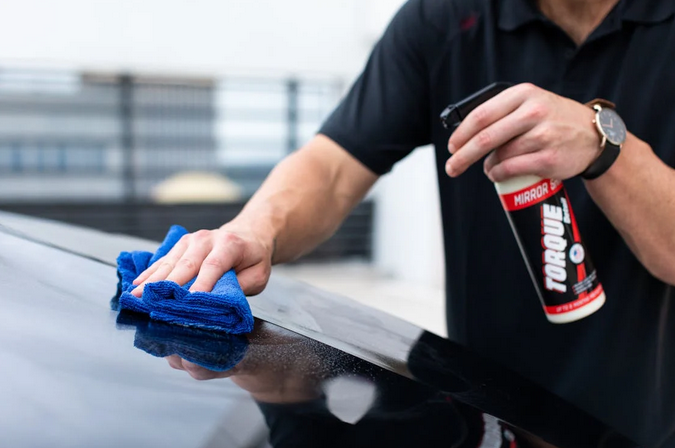
One of the most frequent ways car paint gets damaged is through improper washing techniques. Using dirty sponges, brushes, or towels can leave scratches and swirl marks on the surface. Even small particles trapped in a cleaning cloth act like sandpaper on the paint. Car owners often wash with household rags or abrasive sponges that remove dirt poorly, but harm the finish. Opting for soft microfiber cloths and using separate buckets for soap and rinse water prevents accidental scratches. Gentle, controlled movements during washing, combined with appropriate tools, significantly reduce the risk of damaging your vehicle’s exterior. This foundational step preserves both shine and protective coatings.
Neglecting Wax and Protective Coatings
Many vehicle owners skip waxing or applying protective coatings, not realizing their role in shielding paint from sun exposure, acid rain, bird droppings, and road debris. Waxing provides a thin barrier that reflects UV rays and reduces oxidation, keeping paint vibrant over time. Protective sealants and ceramic coatings further enhance resistance to chemical stains and minor abrasions. Regular application, depending on product type, strengthens the car’s exterior against environmental hazards. Failing to apply these layers accelerates fading, dullness, and minor surface damage, reducing the vehicle’s overall visual appeal. Incorporating protective treatments into routine care maximizes both longevity and aesthetic performance.
Parking in Unsafe Locations
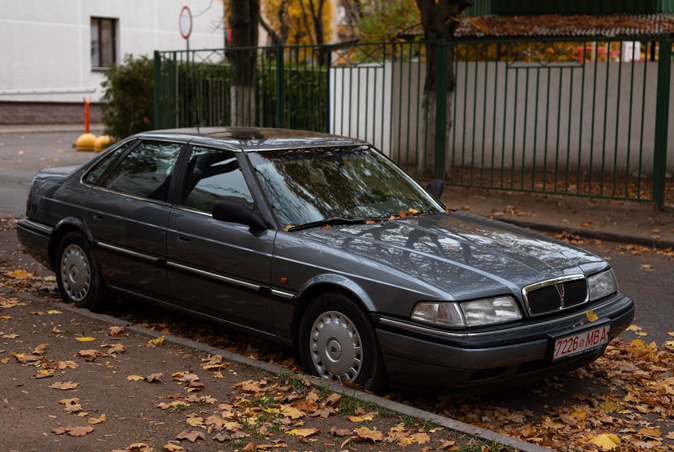
Environmental exposure is a silent but powerful contributor to paint damage. Parking under trees, near industrial areas, or in open spaces without shade exposes paint to sap, bird droppings, pollutants, and harsh sunlight. Many drivers underestimate the cumulative impact of these factors. Sap and droppings can etch into the clear coat if not removed promptly, while prolonged sun exposure leads to fading and oxidation. Choosing covered or shaded parking, using car covers, or quickly cleaning contaminants reduces paint degradation. Awareness of surroundings and timely intervention preserves both the finish and visual brilliance of your car.
Using Automatic Car Washes Improperly
Automatic car washes are convenient but can be surprisingly harsh on paint surfaces. Brushes and cleaning mechanisms often carry residual grit from previous vehicles, leaving scratches or swirl marks. Even touchless washes can sometimes rely on strong chemicals that strip protective wax layers. Owners who rely exclusively on frequent automated washes risk long-term dulling of the paint. If using car washes, select brushless or soft-cloth options and pair with protective coatings afterward. Alternatively, hand-washing with proper techniques minimizes potential damage while maintaining optimal shine.
Ignoring Prompt Cleaning of Contaminants
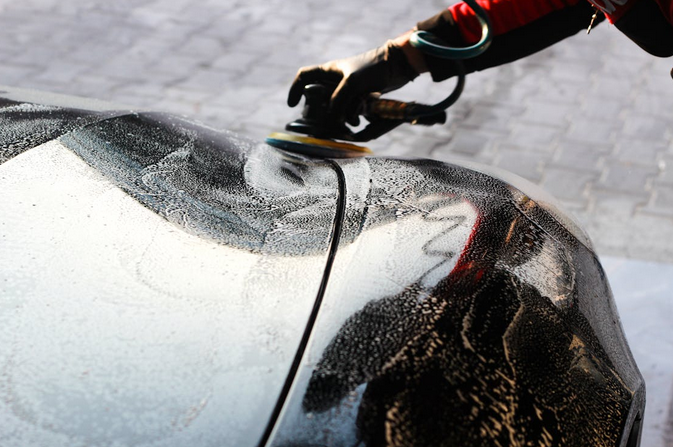
Many car owners delay cleaning after exposure to contaminants such as mud, road salt, or bird droppings. These substances contain chemicals and minerals that can quickly etch into paint or accelerate corrosion. The longer they remain on the surface, the deeper the damage becomes, and even professional polishing may not fully restore the original finish. Regular inspections and immediate removal of contaminants with appropriate cleaning solutions prevent surface etching and preserve aesthetic integrity. Consistency in prompt cleaning is essential for maintaining long-term paint quality and visual appeal.
Protecting a car’s paintwork requires both attention and proactive care. Avoiding mistakes such as improper washing, neglecting wax and coatings, parking in hazardous locations, relying solely on automatic car washes, and delaying cleaning of contaminants can significantly reduce damage and preserve the vehicle’s shine. Consistent maintenance, careful handling, and awareness of environmental risks help prolong the life of the paint and maintain aesthetic appeal. By adopting these practices, car owners can enjoy a visually striking vehicle, prevent costly repairs, and maintain both style and value over time.…