

How to Maintain Your Car’s Transmission for Longevity and Performance
Your car’s transmission is like the unsung hero of your vehicle. It works tirelessly behind the scenes, ensuring smooth gear shifts and optimal performance. Yet, it often doesn’t get the attention it deserves. Without proper maintenance, this crucial component can suffer from wear and tear, leading to costly repairs or even complete failure. Whether you’re a car enthusiast or just someone who wants their vehicle to run smoothly for years to come, understanding how to maintain your transmission is essential. A little proactive care goes a long way in preserving its longevity and function. Let’s dive into some practical tips that will help keep your transmission on track.
Regular Fluid Checks and Changes
Keeping an eye on your transmission fluid is crucial for maintaining its health. Regular checks should be part of your routine car care. This fluid acts as a lubricant, reducing friction between moving parts. To check the fluid level, locate the dipstick under the hood. Pull it out and wipe it clean before re-inserting to get an accurate reading. If it’s low or looks dirty, it’s time for a change. Fluid changes are typically recommended every 30,000 to 60,000 miles, but always consult your owner’s manual for specific guidelines. Fresh fluid not only helps with smoother gear shifts but also prevents overheating and wear.
Use the Right Transmission Fluid
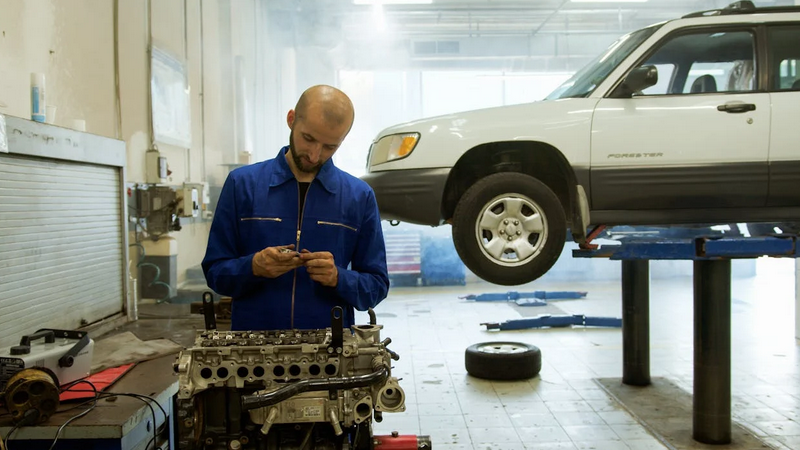
Choosing the right transmission fluid is crucial for your vehicle’s health. Each type of transmission has specific requirements, and using the wrong fluid can lead to costly damage. Always consult your owner’s manual or manufacturer guidelines. They provide essential details on viscosity, additives, and specifications that suit your car best. Using generic fluids may seem tempting due to cost savings, but they often lack necessary properties tailored for your vehicle’s needs. This can result in poor performance and increased wear. Additionally, be aware of synthetic versus conventional options.
Inspect for Leaks
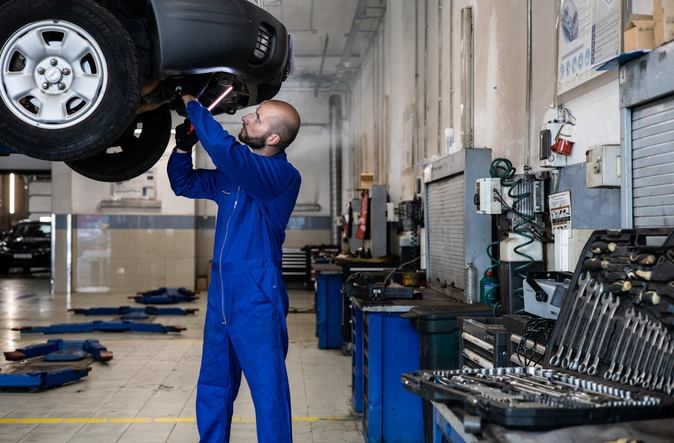
Checking for leaks is crucial to maintaining your transmission’s health. A small leak can lead to big problems down the line. Regularly inspect the area under your vehicle, especially after parking it for a while. Look for puddles or stains that may indicate transmission fluid loss. The fluid typically has a reddish hue and a distinct smell—factors that make identification easier. Don’t forget to examine the hoses and seals connecting various components of the transmission system. Over time, these parts can wear out and crack, leading to potential leaks.
Monitor Transmission Performance
Keeping an eye on your transmission performance is crucial for a smooth ride. Notice how your vehicle shifts gears. Any hesitation or slipping should raise a red flag. Pay attention to unusual noises, like grinding or clunking sounds. These can indicate underlying issues that require prompt attention. The earlier you catch problems, the better. Vibrations during gear changes can also signal trouble ahead. If you feel any unexpected jolts, it’s time to investigate further.
Maintaining your car’s transmission is essential for ensuring longevity and optimal performance. Regular fluid checks and changes are a fundamental step in this process, as clean fluid helps keep the system running smoothly. Using the right type of transmission fluid tailored to your vehicle’s specifications can make all the difference. By incorporating these practices into your routine, you set yourself up for a smoother ride and avoid potential headaches in the future. Taking proactive steps today ensures that your vehicle remains reliable tomorrow.…

Preventing Car Damage: Tips for Long-Lasting Vehicle Care
Your car is more than just a mode of transportation; it’s an investment that deserves attention and care. When you think about the open road, freedom, and adventure, it’s easy to forget the little things that keep your vehicle running smoothly. But neglecting regular maintenance can lead to costly repairs down the line. Many drivers turn to extended car warranty companies for added peace of mind and protection against unexpected breakdowns. Want to ensure your ride stays in top shape? It takes a bit of effort, but with some simple habits, you can prevent damage and extend the life of your vehicle. Let’s explore essential tips for keeping your car healthy so you can focus on enjoying every mile ahead.
Regular Maintenance Checks
Regular maintenance checks are the backbone of vehicle care. Scheduling routine inspections ensures that your car operates efficiently and safely. Start with oil changes—these should happen every 3,000 to 5,000 miles, depending on your vehicle’s specifications. Fresh oil keeps engine parts lubricated and functioning smoothly. Tire health is equally important. Rotate tires regularly and check for proper inflation to enhance fuel efficiency and prolong tire life.
Monitor Fluid Levels
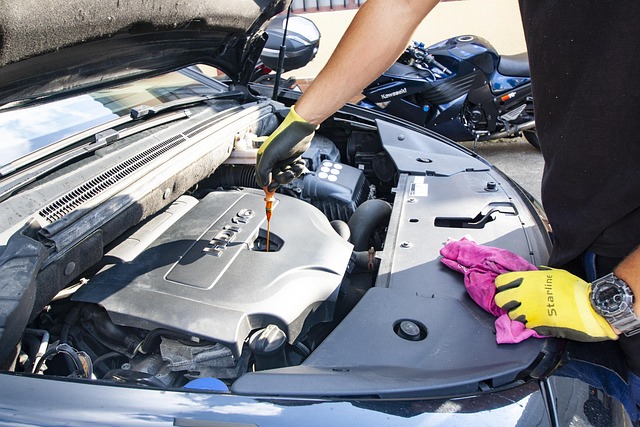
Keeping an eye on your vehicle’s fluid levels is crucial for optimal performance. Regularly check the oil, coolant, brake fluid, and transmission fluid. Each plays a vital role in ensuring your car runs smoothly. Low oil can lead to engine wear. A lack of coolant may cause overheating. Noticing these issues early can prevent costly repairs down the line. Use the dipstick for oil checking and look at the reservoir markings for other fluids. It’s easy to do this during refueling or routine stops.
Clean the Interior Regularly

A clean interior not only enhances your driving experience but also preserves your vehicle’s value. Dust and dirt can accumulate quickly, leading to unpleasant odors and wear on surfaces. Start with the basics: remove trash and clutter regularly. It’s easy for wrappers or receipts to pile up, so make it a habit to clear them out every week. Next, vacuum the seats, carpets, and floor mats to keep dirt at bay. Pay attention to those hard-to-reach spots where crumbs tend to hide. A good vacuuming session can do wonders.
Address Warning Lights Immediately
Warning lights on your dashboard are not just decorative features. They serve a crucial purpose, alerting you to potential issues that could lead to serious problems if ignored. When a warning light appears, don’t brush it off. Take the time to investigate what it means. Some lights indicate minor concerns, while others signal more severe risks that require immediate attention. A quick check of your vehicle’s manual can provide clarity on each light’s significance. If you’re uncertain or if multiple warnings arise, it’s wise to consult with a professional mechanic. Taking care of your vehicle is essential for preventing damage and ensuring it lasts for years. Regular maintenance checks help catch issues before they become costly repairs. Monitoring fluid levels keeps your engine running smoothly, while a clean interior enhances both comfort and value. Investing time in these small habits pays off significantly in the long run. Your vehicle deserves this attention, ensuring that every journey is enjoyable and worry-free. Start today, and watch how well your car responds to proper care.…